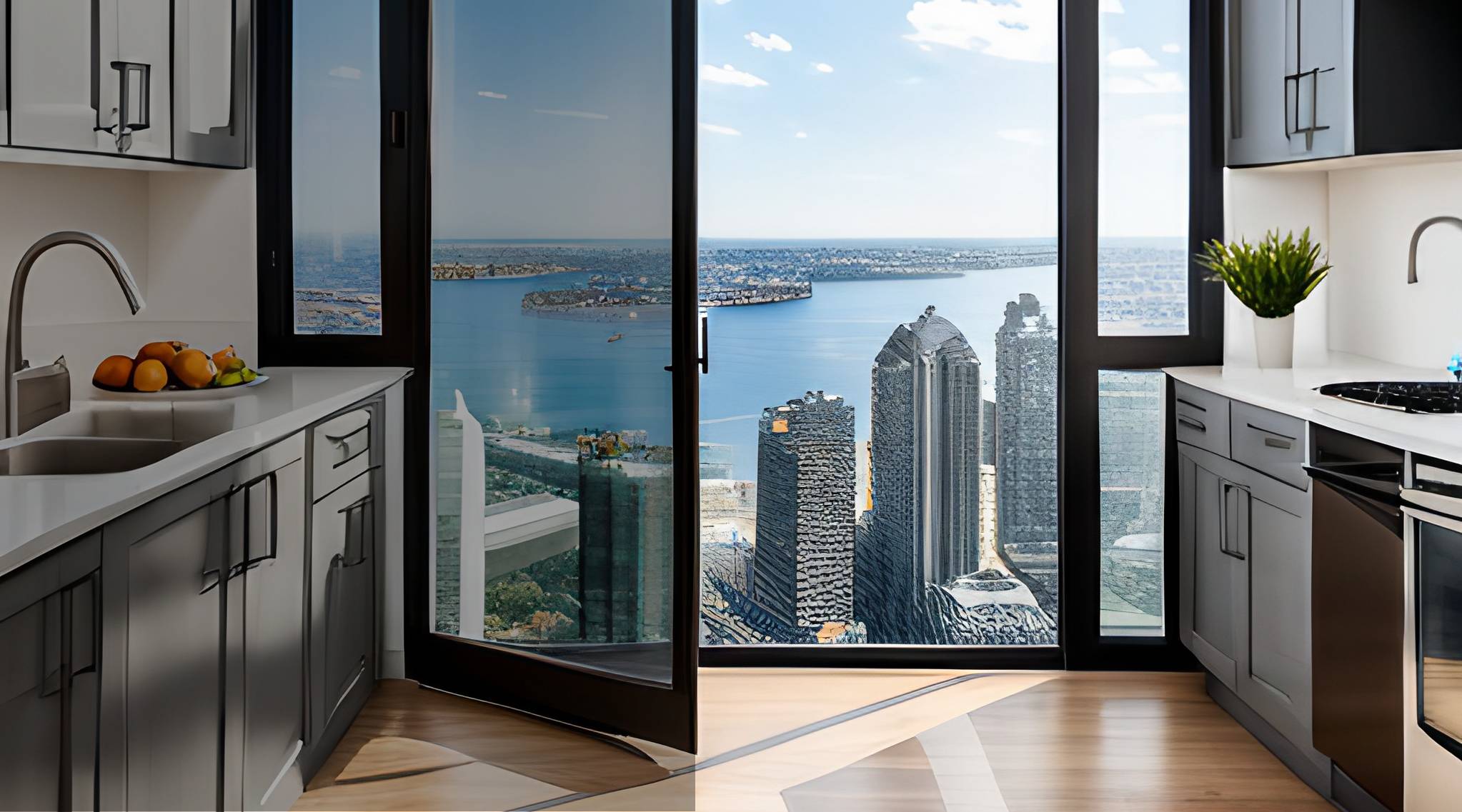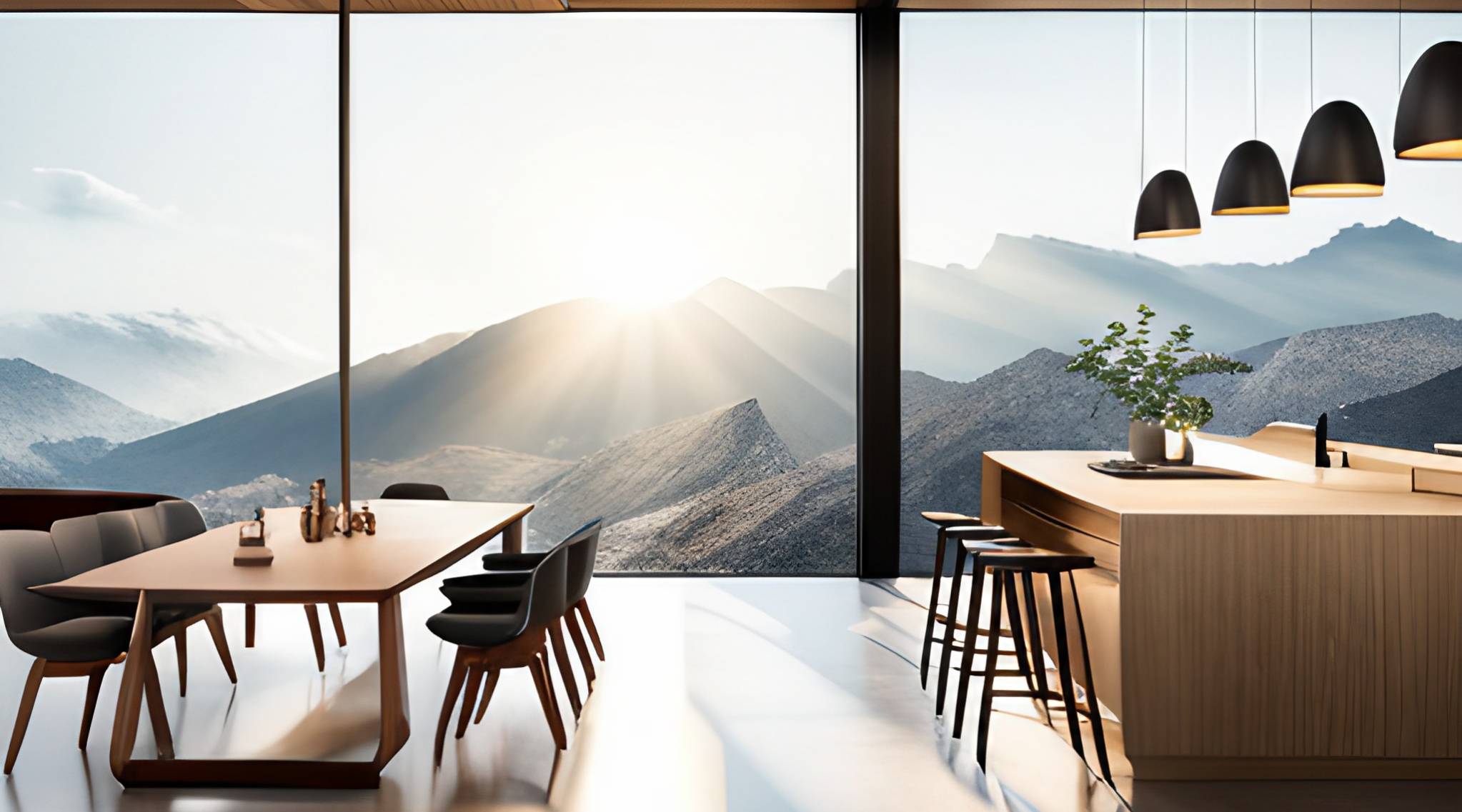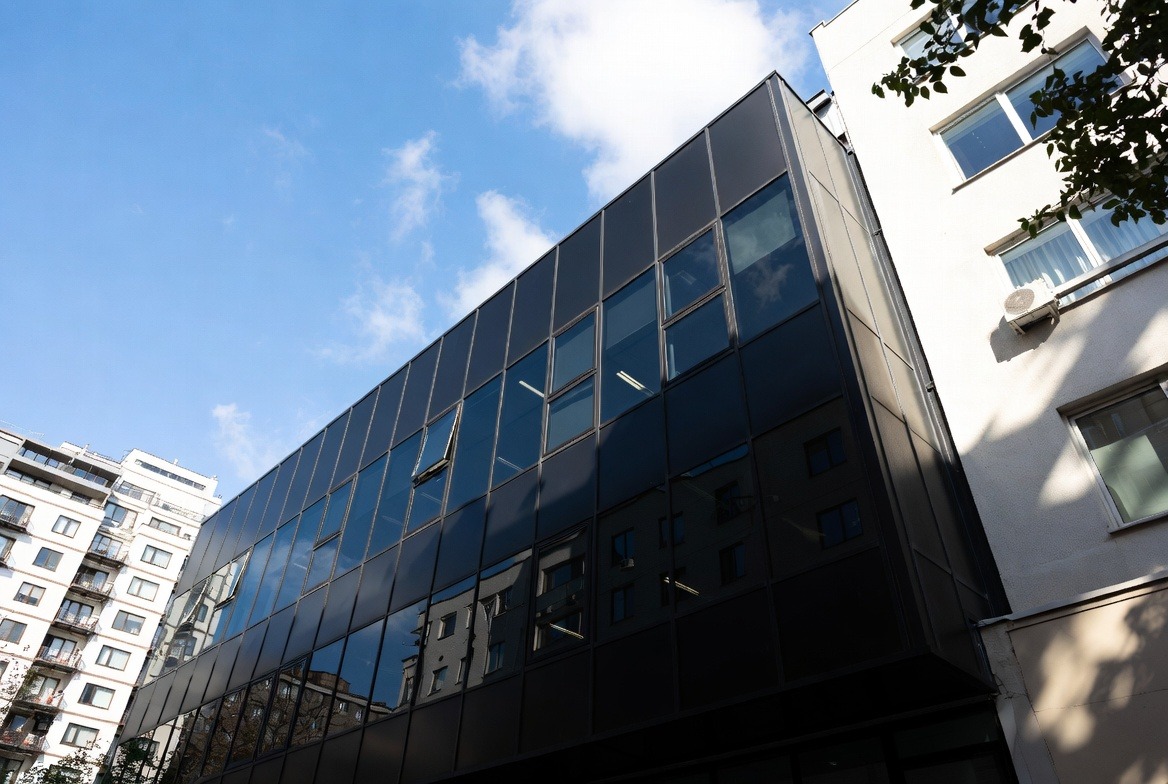
Window films are one of the smartest upgrades for Toronto businesses that want more privacy, better branding, less glare, and a cleaner look on glass. If you are comparing window films for an office, clinic, store, gym, or restaurant in Toronto or the GTA, you have probably seen the same three names again and again: Tintly Window Films, 3M, and LLumar. The problem is, most articles make this sound way more confusing than it needs to be. For most owners, the real question is simple. Which window films actually work best for your space, your glass, and the way people use the place every day?
That is a fair question, because commercial glass does a lot now. It is not just there to let light in. It helps shape privacy, comfort, branding, and even how people feel when they walk through the door. A boardroom in downtown Toronto may need privacy but still needs daylight. A retail shop in Markham may want logo film that catches attention from the sidewalk. A clinic in North York may want decorative film that makes treatment rooms feel more private without making the hallway feel shut in. A west-facing office in Mississauga may care most about glare by 3 p.m. These are all window films jobs, but they are not the same job.
That local context matters. Toronto has a huge mix of towers, older main street units, medical spaces, retail plazas, and newer office interiors. If you want a broader starting point on window films, that helps too. Summer sun also plays a part here, and many business owners start paying attention to glass only after staff begin closing blinds all afternoon. The City of Toronto’s Toronto at a Glance page gives a good snapshot of the size and pace of the city, while the Government of Canada’s UV Index and sun safety guide is useful for understanding why strong sun and UV are not small issues in work spaces.
So this guide keeps it plain. It compares Tintly Window Films, 3M, and LLumar in a way that makes sense for real Toronto and GTA businesses. No fake hype. No stiff brochure talk. Just the strengths, the weak spots, and the types of jobs each one tends to fit best.
Tintly Window Films
Tintly Window Films stands out because it is a local installer and service company, not only a film name. That matters more than many people think. Most commercial window films projects are not won by a sample book. They are won by good measuring, smart layout choices, and a clean install. If any one of those parts goes wrong, even a strong product can look sloppy.
This is where a local team can be very helpfull. A Toronto office may need a frosted band placed at seated eye level, not standing eye level. A Brampton storefront may need logo film scaled wider so it reads better from the parking lot. A Scarborough clinic may need decorative film that gives privacy to patients but still keeps the space bright and calm. A local team can walk the site, check the sightlines, and point out small things that become big things once the film is on the glass.
Tintly usually makes the most sense when the project includes custom parts such as:
- decorative window film for privacy in offices and clinics
- vinyl window film for lettering, hours, and branding
- logo film for doors, sidelights, and front windows
- mixed jobs that need both privacy and branding
- site-specific layout changes before cutting starts
Here is one example that feels very Toronto. A small accounting office near King and University wanted more privacy in its meeting room. The owner first thought full frost on the whole glass wall would be easiest. It would have hidden the room, sure, but it also would have made the office feel closed off and a bit flat. A better answer was a frosted band across the centre, with open glass above and below. That solved the privacy problem where people actually noticed it, while keeping the space brighter and more open. Same goal, less overkill.
Tintly is also useful for spaces where the glass is not as simple as it first looks. Older doors, odd handles, uneven frame lines, and storefront glass with little quirks show up all over Toronto and the GTA. Those details can make a logo look off-center or make a privacy band feel awkward. This is the kind of stuff a local installer catches fast. That is one reason many businesses end up choosing a service-first company over a brand-first decision.
So if your job needs custom planning, branding help, or privacy layout that has to fit a real space and not just a brochure drawing, Tintly usually has the clearest edge.
3M Window Films
3M is the name many business owners know first. That is not a shock. It has strong brand recognition, a broad architectural film range, and years of commercial visibility. For some owners, designers, and landlords, that familiar name feels safer right away.
3M tends to be strongest when decorative choice is a big part of the job. If a business wants privacy but also wants a polished interior look, 3M often gets a serious look. That can work well in law firms, private clinics, schools, boardrooms, and shared office spaces where the film has to do more than one thing. It has to block views, but it also has to suit the room.
For example, a law office near Bay Street may want a more formal frosted finish that feels clean and quiet from the hallway. A medical office in Richmond Hill may want a softer privacy look that still lets light move through the space. A showroom in Vaughan may want a more refined glass treatment in private offices while keeping the front open. These are the kinds of places where 3M often fits well.
But there is a part people sometimes miss. 3M is a product brand first. It still needs a skilled installer. A big name does not fix weak spacing. It does not fix a logo that sits too low on the door. It does not fix a privacy band placed an inch too high. When the work is done, people judge what they see, not the name on the packaging. Thats just how it goes.
3M is usually a good fit for buyers who want:
- a known global film brand
- many decorative film looks and finishes
- a polished office or medical interior feel
- a product line that feels familiar to designers and property teams
Where 3M gets a bit less tidy is on branding-heavy projects. A Queen West shopfront, an Etobicoke salon, or a Liberty Village office with custom graphics usually needs more than a solid film line. It needs somebody to think through proportions, spacing, and how the design reads from outside and inside. On those jobs, installer skill matters every bit as much as the material choice.
So 3M is strong, yes. But it is strongest when decorative finish is doing most of the work, not when the whole project depends on custom layout decisions.
LLumar Window Films
LLumar often stands out for another reason. It gets attention when comfort is the bigger issue. If the room feels too bright, too hot, or too hard to work in during certain hours, LLumar tends to come up quickly in the conversation.
This is very common in the GTA. A west-facing office in Mississauga can feel rough by mid-afternoon in summer. A clinic in Brampton may have a waiting room that gets blasted with light. A retail space in Etobicoke may find that glare lands right on the counter area. When that happens, people stop thinking about glass as design and start thinking about glass as a problem. That is where LLumar often makes sense.
LLumar is usually a smart fit for businesses that want:
- less glare on screens and work surfaces
- better comfort near large windows
- help with UV exposure on interiors
- window films that support solar control goals
Here is another case that comes up a lot. A fitness studio in Etobicoke had strong sun on the front windows and cardio area every afternoon. The owner first leaned toward darkening all the front glass. That would have cut the glare, yes, but it also would have made the studio feel more closed off from the street and weaker for branding. A better setup used logo film and vinyl graphics where visibility mattered, and more performance-focused film only where the glare was the real problem. The result felt more balanced and a lot less heavy.
LLumar is often the strongest pick when comfort leads the job. But even here, there is a limit to what a brand alone can do. If the same project also needs decorative privacy, entry-door branding, or custom vinyl work, the installer still plays a huge role. One blunt solution across all the glass can look like too much. A smarter mix often works better.
That is why LLumar works best when the main issue is sun, glare, and day-to-day comfort near glass. It is not always the first choice for every branding or privacy job, but it can be very good when solar control is the main headache.
Which Window Films Are Best for Toronto and GTA Businesses?
The answer depends on what the glass needs to do.
Tintly Window Films usually makes the most sense when you want local planning, custom branding, privacy layout, and a team that handles the full job from measure to install.
3M usually makes the most sense when decorative finish and brand familiarity are leading the decision.
LLumar usually makes the most sense when glare, heat, and sun control are the bigger pain points.
That does not make one “right” and the others “wrong.” It just means the best fit changes by project. A North York clinic may care most about privacy. A downtown Toronto real estate office may care most about branded front glass and a sharp boardroom look. A Vaughan showroom may care most about glare. A Markham office may need a mix of privacy, logo film, and light control all at once. Same city region, very different jobs.
Before choosing between these window films, ask a few plain questions:
- Is the main goal privacy, branding, glare control, or a mix?
- Who is measuring and installing the film?
- Can I see a mockup before anything gets cut?
- How will the glass look from inside and outside?
- Will this still feel right six months from now when the space is used every day?
Those questions save people from lots of weak installs. They also help owners compare quotes better. A low price is not really low if the job looks wrong and has to be redone. For many Toronto and GTA businesses, the best choice is not the biggest brand. It is the option that solves the real problem on the real glass in front of them. That is what people remember after the install is done.
Frequently Asked Questions
What are the best window films for commercial spaces in Toronto?
The best window films depend on the goal. Decorative films are often used for privacy. Vinyl and logo films are often used for branding. Solar-focused films are usually better for glare and sun control.
Is decorative window film good for office privacy?
Yes. Decorative window film is a common choice for offices, boardrooms, clinics, and meeting rooms. It adds privacy while still letting light move through the space.
Can logo film go on storefront doors and front windows?
Yes. Logo film can be installed on entry doors, front windows, sidelights, and some interior glass areas. It helps with visibility and gives the space a more finished branded look.
Are 3M and LLumar better than a local installer?
They are strong product brands, but they are not a replacement for local planning and clean install work. In many GTA projects, the installer shapes the final result just as much as the film brand does.
Do window films help with glare in Toronto summers?
Yes. Many window films help reduce glare and cut UV. That can make offices, clinics, stores, and gyms more comfortable during bright summer afternoons.