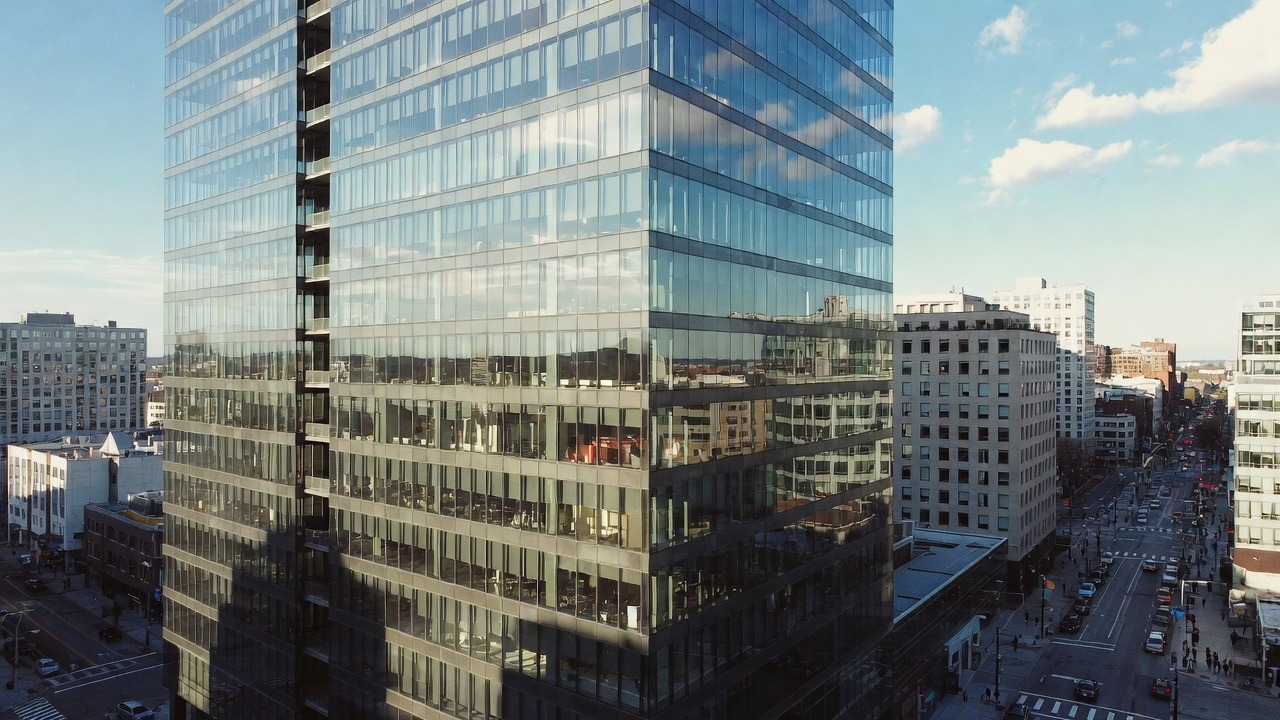
If you are searching for window films in Toronto and the GTA, you are likely trying to solve a real building problem. Maybe your office gets too hot by 2 p.m. Maybe staff keep closing blinds because of screen glare. Maybe a clinic wants more privacy without making the room dark. These are common reasons people start looking at window films, and they usually want the same thing fast. They want clear pricing, simple answers, and a way to fix the glass without replacing the whole window system.
Commercial window films are now used across North York, Scarborough, Mississauga, Vaughan, Markham, Richmond Hill, Etobicoke, and Downtown Toronto. Offices use them to reduce solar heat gain. Retail spaces use them to protect products and floors from UV exposure. Clinics use them for privacy. Property managers use them to improve comfort in common areas. The problem is that pricing online is often all over the place. One page says a low number. Another says “request a quote.” A third gives no real detail at all. Thats frustrating when you are trying to plan a budget.
This article gives you a clearer breakdown of what commercial window films usually cost in Canada, with a strong focus on Toronto and the GTA. It also explains what changes the price, what kinds of buildings get the most value, and what business owners should ask before saying yes to a quote. If you want a quick primer before getting into pricing, this article on what is window film is a useful starting point.
Why Businesses Across Toronto and the GTA Keep Choosing Window Films
Commercial window films are thin layers applied to glass. That is the technical description. In simple terms, they help glass do a better job. Some films reduce heat from sunlight. Some lower glare on screens. Some add privacy. Some help hold broken glass together after impact. The window stays in place, but the way it performs changes.
This matters a lot in Toronto because many buildings have large glass areas. Newer office spaces near King West and Liberty Village often have full-height windows. Retail units near Yonge Street have broad storefront glass. Condo lobbies in Vaughan and Mississauga use big glass panels for a modern look. It looks clean, but it also creates heat, brightness, fading, and privacy issues. A building can look great from outside and still feel rough inside by late afternoon.
Summer is when many owners start calling. West-facing glass can make meeting rooms too warm. Staff move away from sunny desks. Customers sit near the front window and feel the heat right away. Then winter comes, and people assume the problem will disappear. It doesn’t. Low winter sun still creates glare. UV exposure still affects flooring and furniture. Privacy issues still stay the same. So the need for window films is not just seasonal, even if summer makes the problem more obvious.
Another reason businesses choose film is cost. Full window replacement is expensive. It can also be messy and disruptive. If the glass is still in decent shape, film is often the more practical option. It lets the building owner improve performance without taking on a large replacement project. That is why many people compare film first before they even think about replacing windows.
What Commercial Window Films Usually Cost in Canada
For many commercial projects, installed window films usually cost about $6 to $18 per square foot. That is the range many Toronto and GTA businesses will see for common types of film and standard install conditions. Some jobs land lower. Specialty work can land higher. But for planning purposes, that is the range most people want to know.
Here is a simple breakdown by project size:
- Small storefront or office section: about $500 to $2,000
- Medium clinic or office: about $2,000 to $8,000
- Larger commercial project: $10,000 and up
These are not random numbers. They change based on film type, access, glass size, building rules, and site prep. A small ground-floor unit in Brampton is often easier and cheaper than a similar-size job in a Downtown Toronto tower. The film may be the same, but the labour is not.
Film category also changes the price quite a bit. Solar control films are often more affordable than thick safety and security films. Decorative and frosted privacy films can land in the middle, though custom designs or logos can raise the price. If the film must meet a very specific performance goal, that can affect the cost too.
Good measurements matter as well. A rough phone estimate is helpful at the start, but real pricing gets tighter after a site check. Glass dimensions, obstacles near the windows, old adhesive, damaged seals, and access rules can all shift the final number. That is normal. It is not always a bait-and-switch thing. Sometimes the job just has more going on than the first conversation showed.
For general public information on energy use in Canadian buildings, Natural Resources Canada offers solid guidance. For building comfort, glazing performance, and indoor environment standards, ASHRAE is another useful source.
What Makes One Window Film Quote Higher Than Another
This is where many building owners get stuck. They receive two quotes and wonder why the prices are so diff. It may look like one company is simply charging more, but the real answer is often deeper than that. Quotes can vary because the materials, labour, and site conditions are not actually the same.
The first big factor is the type of film being used. Solar film, privacy film, decorative film, and safety film all serve different jobs. A clear film made to support glass retention after impact is not priced the same as a standard solar control film for an office. The material itself changes the base cost.
The second factor is project size. Larger jobs can lower the cost per square foot because setup time gets spread across more glass. Small jobs often look expensive on a per-foot basis because the crew still needs to travel, set up, prep the glass, cut film, and finish the work. A small project does not remove those steps.
The third factor is access. This is a big one in Toronto. Is the site on the ground floor or in a high-rise? Is furniture blocking the glass? Are there desks, display racks, signs, or built-in fixtures in the way? Does the work need to happen after hours because the office stays open during the day? These things all add labour time.
The fourth factor is glass condition. Older buildings around East York, parts of Scarborough, and some older plazas in Etobicoke can have windows with tape residue, dirt buildup, paint specks, or old film adhesive. Film needs a very clean surface. Prep work takes time, and time affects the quote.
The fifth factor is warranty and film quality. Low-cost film can save money upfront, but it may fade, peel, bubble, or discolour sooner. Better film often costs more because it performs better and lasts longer. If the building owner plans to stay in the space for years, quality matters more than just the starting price.
Case Study: A Retail Store in Downtown Toronto With Afternoon Heat Problems
A retail shop near Queen Street West had a familiar issue. The front of the store looked bright and open, which was good for foot traffic. But by late afternoon, the sun hit the front glass hard. Staff noticed the space getting warmer than the rest of the unit. Some product displays near the window were also getting too much light.
The owner first thought the HVAC system was the main problem. After looking at the layout, the stronger issue was solar heat coming through the storefront glass. The AC was working, but the sun load at the front was too strong.
A solar control film was installed on the front glass sections. The project was not huge, but it made a clear difference. The front area stayed more comfortable, the glare dropped, and the owner felt better about the display area near the windows. It did not turn the store dark. That was one of the main concerns. The space still looked open from the street, just more balanced inside.
This kind of project is common in Toronto shopping streets. Business owners often assume they need new glass or a bigger AC change. Sometimes the simpler fix is just improving how the existing glass handles heat and light.
Case Study: A North York Medical Office That Needed More Privacy
A medical office near Yonge and Finch had a different issue. The rooms were bright and clean, but patients felt too visible from the hallway glass and from some outside angles. The office wanted privacy without making the space feel closed off. Curtains were not a good fit. Blinds felt too bulky for the style of the clinic.
The answer was a frosted privacy film applied to selected glass areas. This kept daylight in the rooms while reducing direct visibility. Staff liked that the space still felt open. Patients liked that it felt less exposed. The install was fairly quick because the glass was easy to access and the layout was simple.
This is one reason privacy window films keep growing in clinics, dental offices, salons, and therapy spaces across the GTA. They solve a real comfort issue without changing the whole design of the room. It is a small material change, but the effect on how the space feels can be pretty big.
What Happens When Businesses Wait Too Long to Install Window Films
Some owners delay film because it feels like an upgrade they can do later. That is fair. But waiting can come with ongoing costs that are easy to miss at first.
One cost is cooling strain. Sun-facing glass can raise indoor temperatures fast, which puts more pressure on the HVAC system. Another cost is fading. Flooring, desks, seating, packaging, and display products near windows can all wear faster under strong UV exposure. Then there is glare. Glare sounds minor until staff keep moving chairs, shutting blinds, or trying to work around bright reflections every day.
There is also the comfort side. People notice when a room feels too hot or too exposed. Customers notice it. Staff notice it. Patients notice it. These are not huge dramatic failures, but they create daily friction. Over time, that gets annoying and costly in small ways.
Some businesses try temporary fixes first. They add curtains, move desks, tape paper to parts of the glass, or change the layout. Those fixes can help a little, but they often look patchy and do not solve the real issue. Proper window films are usually cleaner, longer-lasting, and better matched to the problem.
How to Tell if a Window Film Quote Is Fair
A fair quote is not always the cheapest one. It is the one that clearly fits the building, the problem, and the film type being offered.
Ask what type of film is included. Ask what problem the film is meant to solve. Ask about the warranty. Ask if glass prep is included. Ask if after-hours work, elevator bookings, or hard access affect the price. If the quote is vague, that is not a great sign.
You should also match the film to the goal. Do you want lower heat, less glare, more privacy, UV protection, or better glass-holding support after breakage? One film does not do every job equally well. A decent installer should explain that in simple language, not with a bunch of confusing product talk.
Local experience helps too. Toronto and GTA buildings all have their own little issues. Downtown access rules. Older suburban plazas. West-facing office heat in Mississauga. Privacy concerns in North York medical spaces. Installers who know these local patterns tend to give more useful advice because they have seen the same problems before.
Why Commercial Window Films Still Make Sense for Toronto and GTA Buildings
Commercial window films still make sense because they solve real glass problems without the cost and disruption of full replacement. They can help reduce heat, cut glare, improve privacy, protect interiors from UV damage, and support better glass safety in some cases. That is why businesses across Toronto and the GTA keep asking about them year after year.
If your building has hot rooms, bright glare, fading near windows, or privacy issues, film is worth pricing properly. Start with rough measurements and a clear list of the problems you want fixed. That makes the quote process easier and gives you something real to compare.
A lot of commercial buildings do not need new windows. They just need the existing glass to work better. For many owners, that is where window films come in and do the job pretty well.
Frequently Asked Questions
How much do commercial window films cost in Toronto?
Most commercial window films in Toronto cost about $6 to $18 per square foot installed. Price depends on the film type, glass condition, and how easy the site is to access.
Do window films help reduce heat and glare?
Yes. Many window films reduce solar heat gain and glare while still letting in a good amount of natural light.
Are window films cheaper than replacing windows?
In many cases, yes. Window films often cost much less than full window replacement when the existing glass is still usable.
How long do commercial window films last?
Many quality commercial window films last around 10 to 15 years or more. Lifespan depends on the product, sun exposure, and installation quality.
Can privacy window films keep a room bright?
Yes. Frosted and other privacy window films can reduce visibility while still allowing daylight into the space.
Leave a Reply