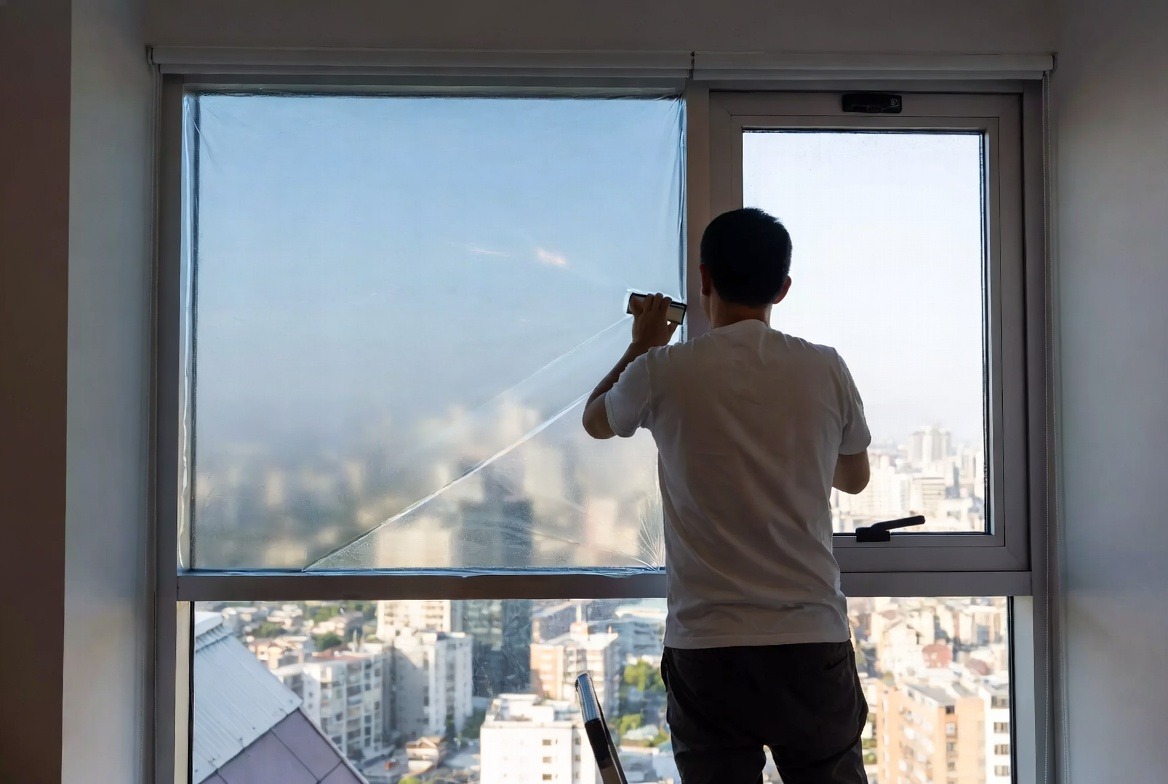
Window films are one of the smartest upgrades for Toronto and GTA properties when glass causes heat, glare, fading, or privacy problems. If you are searching for window films because one room gets too hot, your office screens are hard to see, or your front windows feel too open, you are looking at a fix that can improve existing glass without replacing the whole unit. That is why window films keep coming up for condos in downtown Toronto, family homes in Etobicoke, clinics in Markham, offices in North York, and storefronts in Mississauga.
People usually do not start by saying, “I want window films.” They start with a problem. The condo living room gets blasted by west sun. The front office feels like a fish bowl. The retail counter gets too bright in the afternoon. The floor near the patio door is fading. Window films help because they are made to change how the glass performs. Some reduce solar heat. Some cut glare. Some add privacy. Some are made for safety or decorative use. If you want a basic overview first, this guide on window films basics is a useful starting point.
This matters even more in the GTA because local buildings use alot of glass. New condo towers, renovated semis, glass office fronts, plaza storefronts, and clinic partitions all create the same kind of daily issues. Official resources from Natural Resources Canada explain how solar heat gain through windows affects cooling needs, and Hydro One also points homeowners to window-related energy saving ideas. That is a big reason window films keep getting attention in Toronto and the GTA.
Why window films are so useful in Toronto and GTA buildings
Toronto and the GTA have a wide mix of buildings, but many of them share the same issue. They use more glass than people first expect. That looks nice, but it can make a room hard to use. In summer, strong afternoon sun can overheat one side of a condo or office. In winter, bright low sun can still cause heavy glare. In dense neighbourhods, privacy becomes part of the problem too. People want daylight, but they do not want everyone outside looking straight in.
This is where window films make sense. They help people keep the glass they already have while changing how that glass behaves. That is a big reason home owners and business owners see them as a practical upgrade. It is not a huge renovation. It is not a full window replacement. It is a more focused fix for a very specific set of problems.
In downtown Toronto condos, the most common issues are heat and glare. A west-facing unit near Liberty Village or CityPlace can feel fine at noon and rough by late afternoon. In older homes across East York, Etobicoke, and Scarborough, the issue may be privacy or fading near front windows and patio doors. In offices around North York and Richmond Hill, screen glare can make workstations annoying to use. In storefronts along busy roads in Mississauga or Brampton, glass can bring in light and visibility, but also too much heat near the front counter.
Window films are useful because they fit all of those spaces in diff rent ways. The product is flexible, but the value is simple. A room feels cooler. A screen becomes easier to see. A waiting room feels more private. A shop window becomes more comfortable for staff. Those are real daily improvements, not abstract ones.
Another reason window films matter here is timing. Toronto weather changes fast. One strong sunny week can make a glass-heavy room feel almost unusable. People often wait until summer, then wish they had done something sooner. Good film choices help during hot months, but they can also make year-round use of the room better by softening harsh light and improving privacy in a more permanent way.
What window films actually do and how the main types are different
Not all window films do the same job. That is where some confusion starts. People often think they are all just “tint,” but there are several types, and each one is built for a diff rent goal.
Solar window films are used for heat and glare control. These are common in condos, bright living rooms, offices, and storefronts. When a room gets too hot or too bright, solar films are often the first option people look at. They help reduce some of the sun’s impact without forcing you to close blinds all day.
Privacy window films are used when visibility is the main issue. A front office, a side door, a bathroom window, or a meeting room may need more privacy than the bare glass gives. Some privacy films work best in daytime. Others, like frosted film, give a more steady level of privacy and are popular in clinics, offices, and homes.
Decorative window films are used for design and finish. These films can add frosted looks, patterns, stripes, or branding. They are common in salons, restaurants, offices, treatment rooms, and modern homes where plain glass feels too empty.
Safety and security window films are used when owners want extra hold if the glass breaks. They do not make glass unbreakable, but they can help the broken glass stay more contained. That can matter for schools, street-level shops, office fronts, and homes that want more protection.
One thing people get wrong alot is assuming darker means better. It does not. Very dark window films are not always the best answer. A lighter film may solve glare without changing the feel of the room too much. A frosted film may solve privacy better than a dark one. A security film may matter more than appearance if glass breakage is the concern. The best film is the one that matches the real problem, not the one that simply looks strongest on a sample card.
It also helps to say what window films do not do. They do not repair failed seals, rotten frames, or major air leaks. A good installer should be honest about that. Film improves glass performance. It does not fix every issue around the window.
How professional window film installation works
Good window film installation starts before any film touches the glass. A proper installer should look at the glass type, the room use, the direction of the sun, and what the customer actually wants fixed. That sounds basic, but it matters a ton. Some people ask for dark glass when they really need glare control. Some ask for privacy film when they need frosted film. Some ask for security film when the real issue is just fading and too much heat.
Once the problem is clear, the installer should recommend the right film and explain it in plain English. What will it look like from inside? What will it look like from outside? Will it keep the room bright? Will it mainly help in daytime or all day? Those answers should be clear. If they are not, the customer can end up with a product that looks fine on paper but feels wrong after install.
The prep stage is a huge part of the job. The glass needs to be cleaned very well. Dust, grease, tape marks, small paint bits, and debris can all affect the final finish. After prep, the film is measured, cut, applied, and squeegeed flat with solution. A clean install should sit smooth on the glass with tidy edges and no obvious trapped dirt.
In Toronto and the GTA, install work often has to fit around how the property operates. Condos may need elevator bookings and time windows. Offices may want meeting rooms done first. Shops may want front windows finished before opening. Clinics may want room-by-room work so daily operations can keep moving. Local experience helps because the job is not just about applying film. It is also about how to do it with the least disruption.
After the install, curing time matters. Some haze or small moisture pockets can show up at first. That can be normal while the film dries out. A good installer tells people this ahead of time, which saves alot of worry later. The best install jobs are the ones where the customer knows what to expect before, during, and after the work.
Two real-world style examples from the Toronto area
Example one: downtown condo glare and heat. A condo owner near King West had a bright west-facing living room with large glass panels. The view was great, but by late afternoon the room got hot and the TV area had bad glare. The owner kept the blinds closed most days, which kind of defeated the point of having all that glass. A solar control film reduced glare and made the room feel easier to sit in without closing the space off. It did not solve every comfort issue in the whole condo, but it fixed the part caused by the glass, which was the real issue.
Example two: privacy in a Markham clinic. A small clinic had interior glass near treatment rooms. The glass brought in light, which the staff liked, but patients felt too visible from the hallway. Curtains made the rooms feel messy and cramped. A frosted privacy film gave the staff a cleaner look and gave patients better privacy at the same time. It was a small project, but it changed how the rooms felt every day.
These examples show how people really choose window films. They do not start with product codes or technical charts. They start with a room that feels wrong. Too hot. Too bright. Too open. Too plain. The film comes later, after the problem is clear. That is why local pattern recognition matters so much. An installer who works across Toronto, Vaughan, Markham, Mississauga, and Brampton sees these same issues over and over again and can usualy point people in the right direction faster.
That local experience also helps avoid bad guesses. A film that works in a downtown condo may not be the best fit for a street-level storefront. A privacy solution for a clinic may not be right for a family home. Good advice comes from seeing how window films perform in diff rent GTA settings, not just reading product labels.
How to choose the right window films for your property
The best way to choose window films is to start with the main problem. If the room is too hot, focus on solar control. If people can see in too easily, focus on privacy. If the space needs a cleaner design look, ask about decorative films. If broken glass hold is the concern, ask about safety or security films. Keeping the goal simple makes the choice easier.
Then ask the installer a few straight questions. What film do you recommend for this exact glass? What will it look like from inside and outside? How much will it change the room brightness? How long will installation take? What is the cure time? What cleaning or care does it need after the job is done?
It also helps to ask whether the company has worked in spaces like yours across Toronto and the GTA. Condos, homes, restaurants, clinics, retail stores, and offices all use glass differently. A team that works across those settings will usually make better recommendations than one that gives the same answer every time.
Price matters, of course, but it should not be the only filter. A very cheap quote may leave out proper prep, better-grade film, or good finishing work. Since window films are meant to stay on the glass for years, the quality of the match and the quality of the install both matter. A slightly better job often saves money and frustration later.
For homes and businesses across Toronto and the GTA, the best approach is pretty simple. Name the problem clearly. Match the film to the glass. Hire someone who explains the job without fluff. That is how people end up with window films that actually make the room feel better, instead of just changing how the glass looks.
If your condo, house, clinic, office, or storefront has glass that is causing heat, glare, fading, or privacy problems, a local review is often the fastest way to sort out whether window films are the right next step. For many GTA properties, they are not a flashy upgrade. They are just a smart, practical one.
Leave a Reply