Window films are one of the most useful glass upgrades for Toronto and GTA properties because they can help with heat, glare, privacy, branding, and comfort without replacing the whole window. If you are searching for window films, you are probly trying to solve a very normal problem. A condo gets too hot after lunch. A boardroom feels too exposed. A storefront looks plain. A clinic needs privacy but still wants light. In many of those cases, window films are a better fit than double glazing, because the glass is still fine. It just needs to do more.
That is why this comparison matters so much. Double glazing and window films both deal with glass, but they do not fix the same kind of problem. Double glazing changes the window unit itself. Window films change how the glass performs and how it looks. One is a bigger building upgrade. The other is a faster, more targeted one. For many Toronto property owners, that difference saves money, time, and alot of hassle.
It also helps explain why people often compare window film vs window replacement before they make a final choice. Not every uncomfortable room needs new glass. Sometimes it just needs the right film on the glass that is already there.
Across Toronto, North York, Etobicoke, Scarborough, Vaughan, Markham, Richmond Hill, and Mississauga, the same complaints come up again and again. Too much sun. Too much glare. Not enough privacy. Glass that feels too bare. This article breaks down where window films make more sense, where double glazing still has a place, and how local owners can make a smarter call without overthinking it.
Why Toronto and GTA Owners Keep Comparing Window Films and Double Glazing
Most people do not start with technical words. They say things like, “this room is way too bright,” or “people can see right in,” or “that boardroom feels like a fishbowl.” That is the real reason this comparison keeps showing up. Owners want the space to feel better, not just sound more upgraded on paper.
Toronto makes that problem easy to spot. Downtown condos with big west-facing windows can get harsh sun in the afternoon. Retail spaces on busy streets need some privacy but still want an open look. Offices with interior glass walls often feel too exposed once staff move in and actually use the space. Homes in older neighbourhoods may have decent windows, but certain rooms still feel uncomfortable at certain times of day. Those are everyday problems, not rare ones.
That is where window films step in. They can help with sunlight control, privacy, decorative style, and branding without ripping out the unit. For many homes and businesses, that is all they really need. Double glazing can still help in the right case, but it is often a bigger answer than the problem calls for.
Local building use matters too. A family room in East York has different needs than a salon in North York. A café in downtown Toronto has different needs than a clinic in Markham. A condo near Harbourfront is dealing with different light than a detached home in Etobicoke. When people compare window films and double glazing, they are really comparing two ways to improve daily use of the space.
What Double Glazing Does Well
Double glazing is still a good option when the window unit is actually failing. If the sealed unit has broken down, if there is fog between panes, or if the frame is damaged, loose, or worn out, a bigger upgrade may be the right move. In that case, the problem is the window itself, not just how the room feels around it.
This happens in older homes across the GTA. Some houses in East York, older parts of Scarborough, and older Etobicoke streets still have windows that are simply at the end of their life. When that happens, film is not the fix. You have to deal with the failed unit. That is where double glazing earns its place.
Double glazing is often the better call when:
- there is moisture or fog between panes
- the sealed unit has failed
- the frame is cracked, soft, or badly worn
- you are already in the middle of a larger renovation
- you want a full window upgrade, not just a performance or design upgrade
But owners also jump to double glazing too fast. They feel heat near a window and assume the whole unit is bad. Sometimes that is true. Often it is not. A room can feel rough because of direct sun, glare, poor privacy, or a glass-heavy layout that is annoying to use. In those cases, replacing the unit may be more than the space really needs.
Double glazing also will not do certain jobs people ask for all the time. It will not frost a treatment room. It will not add a logo to a front door. It will not soften a glass boardroom wall. Those are film problems, and film answers them better.
Why Window Films Often Make More Sense
Window films are often the better fit because they improve the glass you already have. That sounds obvious, but it is the reason they work so well in real spaces. Most owners are not trying to rebuild the building. They are trying to make one room, one office, or one storefront work better than it does today.
In homes, window films can help with glare, sunlight, and daytime privacy. In businesses, they can help with branding, decorative style, privacy, and a cleaner look. In clinics, they can make treatment rooms feel more private without making them dark. In offices, they can make glass-heavy layouts feel less distracting and less exposed.
This is one reason film fits so many Toronto and GTA properties. A condo in CityPlace may need less harsh afternoon sun. A Richmond Hill dental office may need frosted privacy on interior glass. A Vaughan storefront may want a branded lower-glass treatment. A Mississauga office may want a meeting room that feels more private but still bright. Same city region, very different jobs, same category of solution: window films.
Many owners choose window films because they are:
- faster to install
- less disruptive than glass replacement
- useful for privacy without blocking all light
- good for decorative updates
- helpful for logos and branded glass
- often easier on the budget
That does not mean film is magic. It will not repair a failed seal. It will not fix rotten frames. But if the real issue is comfort, privacy, or appearance, film is often a much better first move than replacing the whole unit.
Two Real-World Examples from Toronto-Area Spaces
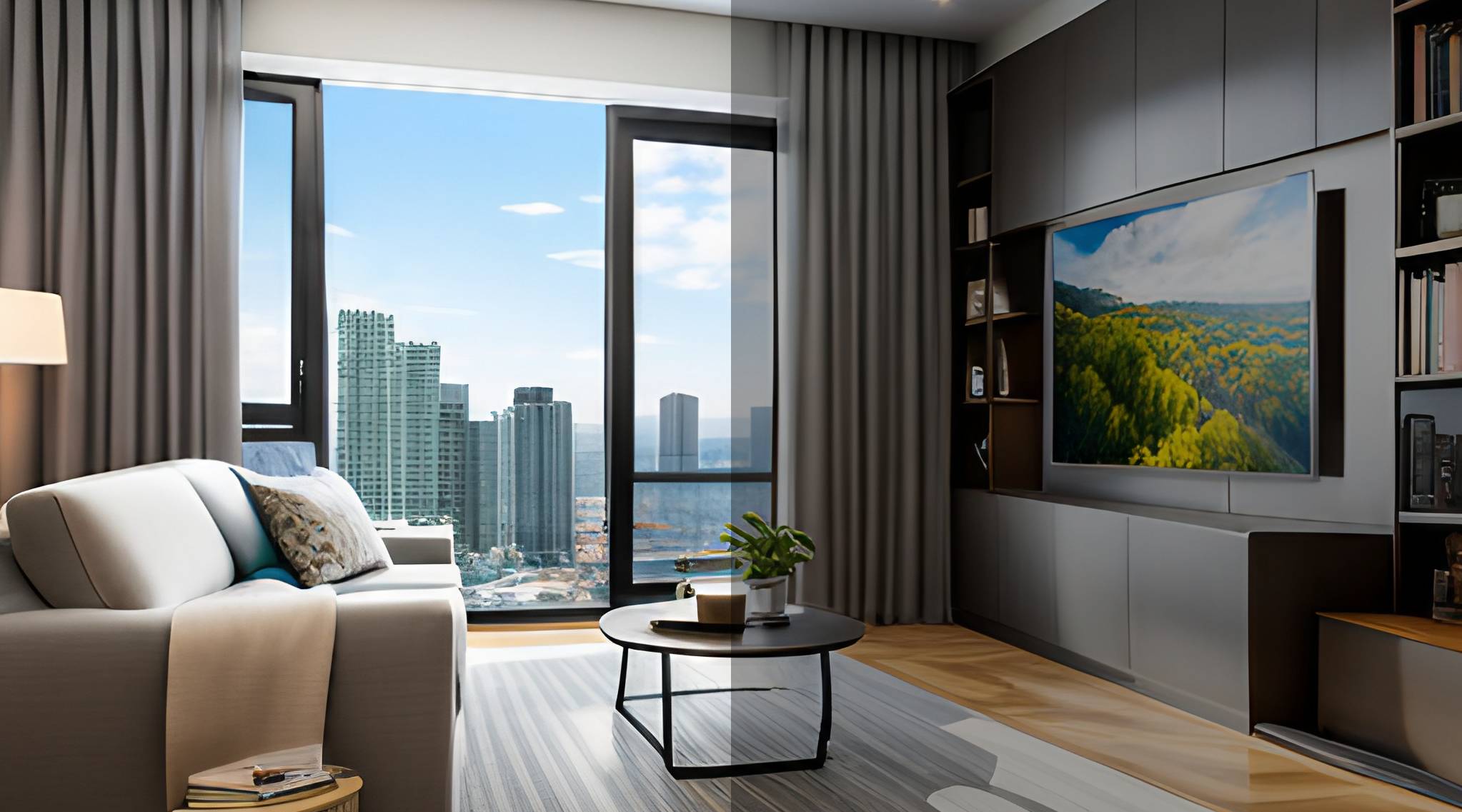
Example one: a west-facing condo living room. The owner liked the view and liked the building, but the room got blasted every sunny afternoon. By around 2 p.m., the glare made the TV annoying and the sofa area felt too hot. The glass itself was still in good shape. The problem was how the room worked. In a case like that, window films are often the smarter first step because they deal with the actual comfort issue without turning the job into a full replacement project.
Example two: a North York clinic with clear treatment-room glass. The clinic had modern glass partitions, which looked clean at first. But once patients and staff started using the space every day, the rooms felt too open. They wanted privacy, but they still wanted light. Replacing the glass panels would have been a much bigger job. Decorative window films fit the problem better. They could add privacy, improve the look, and keep the bright feel of the clinic.
These examples matter because they sound normal. Most jobs are normal. People are not usually dealing with a huge building failure. They are dealing with a room that feels wrong in a way that bugs them every single day. That is why window films stay so popular in Toronto and the GTA. They solve practical problems that people feel right away.
Local Conditions Change the Best Answer
Toronto weather is a big part of this. Summer sun can be rough on condos with large west or south exposure. Winter can make some rooms feel cold and uneven, even when heating is running fine. Then there is the year-round issue of privacy, especially in clinics, offices, salons, storefronts, and front-facing rooms in busy neighbourhoods.
The City of Toronto has public guidance on indoor temperatures in apartment units, which shows how closely comfort is tied to daily living in local buildings. Natural Resources Canada also has public guidance on upgrading windows and exterior doors, which helps explain where larger window upgrades fit in Canadian homes.
Those resources are useful because they show something simple: comfort matters, and windows play a part in that. But they also help highlight a point many owners miss. Not every comfort problem means the unit has failed. Newer condos can still get too hot. Nicely built offices can still feel too exposed. A clean storefront can still feel unfinished without branding or privacy. Window films fit those issues really well because they deal with how the space performs in daily use.
People in the GTA see this all the time. Waterfront condos with too much afternoon sun. Small offices in Markham with glass meeting rooms that feel awkward. Clinics in North York that need privacy on interior glass. Retail shops in Vaughan that want an open look but not a fully exposed one. Different properties, same few problems.
How to Pick the Right Option Without Making It Complicated
The easiest way to choose is to ask one question: is the window failing, or is the room failing?
If the window unit itself is failing, double glazing may be the better call. If the room feels uncomfortable, too exposed, too bright, or too plain, window films are probly the better place to start. That one question clears up most of the confusion.
You can also ask yourself these simple things:
- Is there fog or moisture between panes?
- Is the frame damaged, or is the glass still solid?
- Do I need less glare, more privacy, or a better look?
- Do I want branding on the glass?
- Do I need a faster job with less disruption?
If most of your answers point to privacy, comfort, branding, or appearance, then window films are usually the stronger first step. If the answers point to a failed unit or worn-out frame, double glazing may make more sense.
For many Toronto and GTA homes and businesses, the smartest answer is not the biggest upgrade. It is the one that solves the actual problem in the clearest way. That is why window films keep showing up in this comparison. They are flexible, practical, and a really good match for the way many local spaces are used now.
Leave a Reply