Window films in Toronto and the GTA deal with a lot. They sit on glass that gets hot summer sun, cold winter drafts, condo steam, office cleaning, and daily wear from real people using real spaces. If your window films are peeling, bubbling, hazing, or getting scratched too early, you are not alone. The good news is that most window films last longer when a few simple things are done right from the start.
At Tintly Window Films, a local window tinting service working across Toronto, North York, Scarborough, Etobicoke, Mississauga, Markham, Richmond Hill, and Vaughan, we see the same problems again and again. A frosted panel in a clinic gets cleaned with rough paper towels. A condo bathroom film gets hit by steam every day. A storefront near Queen Street gets strong west sun and the edges begin to lift. A boardroom door in downtown Toronto looks great on install day, then staff start taping notices to it a week later. The film gets blamed, but the real cause is often the room, the prep, or the care after install.
If you have been wondering how long window films last and why they peel, this guide gives you the plain answer. Window films can last for years, but they need the right product, clean glass, time to cure, gentle cleaning, and less day-to-day abuse. That is true for homes, retail shops, offices, schools, and condos across the GTA.
Window films are used for privacy, glare control, UV reduction, style, branding, and comfort. Many owners also use window films because they want better use of glass without blocking the room with blinds or changing the whole window. Natural Resources Canada explains how windows affect comfort and energy use in buildings. Health Canada also explains how UV exposure affects people and surfaces over time. That helps explain why window films and film care both matter.
Here are seven practical steps that help window films stay cleaner, look better, and last longer in real Toronto conditions.
Step 1: Choose the Right Window Films for the Space
The first step starts before any install. You need the right film for the room, the glass, and the job the film needs to do. This sounds simple, but it is where many people go wrong.
Not all window films do the same thing. Decorative window films help with style and softer privacy. Frosted films block direct views. Solar films help with glare and heat. Security films focus more on holding glass together. If you pick the wrong type, the room may not get the result you want, and the film may wear out faster.
Ask a few clear questions first:
- Is the glass on a door or a fixed panel?
- Does the room get strong afternoon sun?
- Will people touch the glass all day?
- Is there steam, grease, or a lot of moisture nearby?
- Is the goal privacy, style, UV control, or all three?
A condo bathroom in CityPlace needs something different from a boardroom near Bay Street. A salon in Markham has different wear than a quiet office in Richmond Hill. A restaurant divider near heat and grease takes a different kind of hit than a clean lobby panel in Vaughan. When the film matches the room, window films usualy last longer and look better while doing it.
Step 2: Prepare the Glass Properly Before Installation
Window films need clean, smooth glass. That is the short version. The longer version is that the adhesive side of the film needs a surface without dust, oil, old glue, silicone, paint specks, or hard water marks trapped under it.
In Toronto and the GTA, glass prep matters even more because many buildings have hidden surface problems. Condo windows can hold onto renovation dust. Retail glass may still have old vinyl adhesive from signs. Office glass often carries finger oils from daily use. Restaurant glass can pick up grease from the air. If that stuff stays on the surface, the bond gets weaker and the film may fail earlier than it should.
A good prep process often includes:
- Cleaning off dirt and oils
- Removing bonded debris safely
- Checking corners, frames, and edges
- Making sure no cleaner residue is left behind
- Installing the film with clean tools and a steady method
We saw this in a small accounting office in downtown Toronto. The owner wanted frosted window films on two meeting rooms. The first installer rushed the job, and the film looked decent for a few days. Then small bumps and light edge lift showed up. When the film was removed, dust and old residue were still on the glass. After the glass was cleaned propery and the film was redone, the new install stayed flat and clean-looking. The problem was not the film. The problem was the prep.
Step 3: Let the Window Films Cure Before You Touch Them
Fresh window films need time to dry and settle. During this period, some films may look a bit hazy or show tiny moisture marks. That can be normal. People often think the install failed, then they start touching the glass too soon.
They wipe it. They rub at a corner. They press a bubble. They tape paper onto it. They scrape at an edge with a fingernail. Those little actions can shorten the life of window films very fast.
Toronto weather makes this step more important. In summer, humid rooms can slow the drying. In winter, heated indoor air can dry one part of the room fast while the glass near the frame still stays cold. A storefront in Scarborough in July does not behave the same as a condo in North York in January. Same type of film, very different conditions.
During curing, follow these rules:
- Do not clean the film right away
- Do not push on bubbles or edges
- Do not tape notices to the glass
- Do not scrape the film with your nail or a card
- Do not judge the final finish too early
This step sounds small, but it is not. Good window films get blamed for problems that started with impatience. We see that alot in offices where staff want the room back the same day.
Step 4: Clean Window Films With Gentle Tools and Mild Products
Once the film has cured, cleaning becomes one of the biggest factors in how long window films keep a clean finish. They do not need fancy treatment, but they do need gentle care.
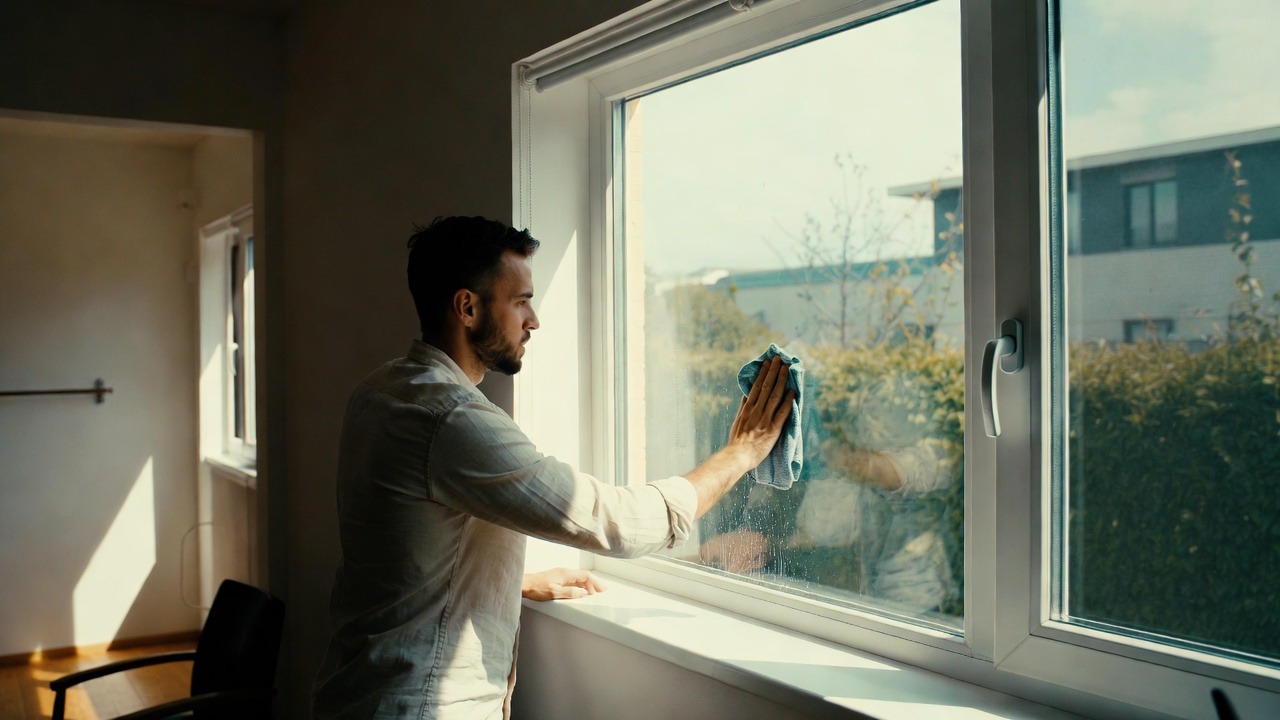
Use a soft microfibre cloth. Use a mild cleaner. Wipe with light pressure. That is the simple rule.
Many problems begin when one spray bottle is used on every surface in the building. Plain glass, mirrors, counters, metal, and window films all get treated the same way. Then a rough paper towel or scrub pad gets dragged over the film. Over time, the face of the film can turn dull, scratched, or worn at the edges.
Better cleaning habits for window films look like this:
- Dust the surface first if needed
- Spray the cloth instead of soaking the film
- Wipe in soft straight passes
- Dry with a clean cloth
- Keep blades and rough pads away from the film
If the film has a logo or printed pattern, careful cleaning matters even more. Hard rubbing can wear down the design and make the glass look older than it should. For businesses, a short care note for janitorial staff can help a ton. One small reminder can stop months of bad cleaning habits.
Step 5: Reduce Steam, Heat, and Daily Wear Around the Glass
Window films do not fail in a perfect showroom. They fail in real rooms with mops, shopping bags, carts, chairs, pets, steam, grease, kids, and people touching the glass all day.
Some of the hardest spots for window films are:
- Bathroom glass with heavy steam
- Glass doors used by staff and customers all day
- Restaurant dividers near heat and grease
- Hallway glass hit by bags or carts
- Boardroom panels where people tap and lean
There are easy fixes that help a lot:
- Keep sharp furniture edges away from glass
- Add door stops where doors swing hard
- Improve air flow in damp rooms
- Keep strong heat sources away from filmed glass
- Tell staff not to pick at corners or edges
One local case came from a beauty clinic in Markham. The privacy film on the lower part of treatment room doors kept lifting. The owner thought the film itself was weak. The real cause was repeated mopping that left water at the base of the glass and carts that bumped the doors all day. After the cleaning routine changed and the traffic around the door was managed a bit better, the next film lasted much longer. The film was fine. The room use was the issue.
Step 6: Inspect the Window Films Often and Catch Small Issues Early
You do not need to wait for a full failure. Most problems start small. If you catch them early, there is a better chance of fixing the issue before the whole panel looks rough.
Check for signs like these:
- Edge lifting
- New bubbles
- Cloudy spots
- Scuffs or scratches
- Dirt getting under the edge
- Fading on printed or branded film
- Peeling near handles, corners, or frames
This matters a lot in customer-facing spaces. A clinic divider in Etobicoke, a salon front in Yorkville, or an office entry in Richmond Hill does not need to be fully damaged before people notice it. Worn window films can make a clean space feel tired pretty fast.
Make film checks part of normal building care. For homes, check the film when you clean the windows. For businesses, ask staff to report lifting or new scratches right away. A quick look once a month is often enough. It only takes a few mintues, but it can save a bigger replacement later.
Step 7: Call a Professional Before the Damage Spreads
Sometimes a film can be repaired. Sometimes it needs to be replaced. The key is to stop making the damage worse.
If your window films are peeling, bubbling badly, scratched deep, or pulling dirt under the edges, do not try to glue them down. Do not trim them with a blade. Do not keep scrubbing the same area harder and harder. Those quick fixes often turn a small issue into a bigger job.
A local installer can inspect the glass, the sunlight, the moisture level, the amount of touch, and the wear pattern. Then you get a clear answer on whether the window films can be repaired, patched, or replaced. That is much better than guessing.
At Tintly Window Films, we work with decorative films, privacy films, frosted films, solar films, and custom logo films across Toronto and the GTA. We also see local wear patterns that outside advice may miss, like condo steam problems, strong west-facing sun in glass towers, and heavy use in busy plazas and medical offices. That local experience helps because one answer does not fit every room.
Final Thoughts
Window films last longer when the basics are done right. Pick the right film for the space. Prep the glass well. Let the film cure. Clean it gently. Cut down on steam, heat, and daily abuse. Check it often. Bring in a pro before a small issue spreads.
This works in homes, offices, clinics, storefronts, schools, condos, and restaurants across Toronto and the GTA. It is simple, practical, and based on what really happens in local spaces.
If your window films are starting to fail, or you want a new install that holds up better in real Toronto conditions, Tintly Window Films can help. We serve Toronto, North York, Scarborough, Etobicoke, Mississauga, Markham, Richmond Hill, Vaughan, and nearby GTA areas with film solutions that fit the glass, the room, and the way the space is used every day.
Leave a Reply