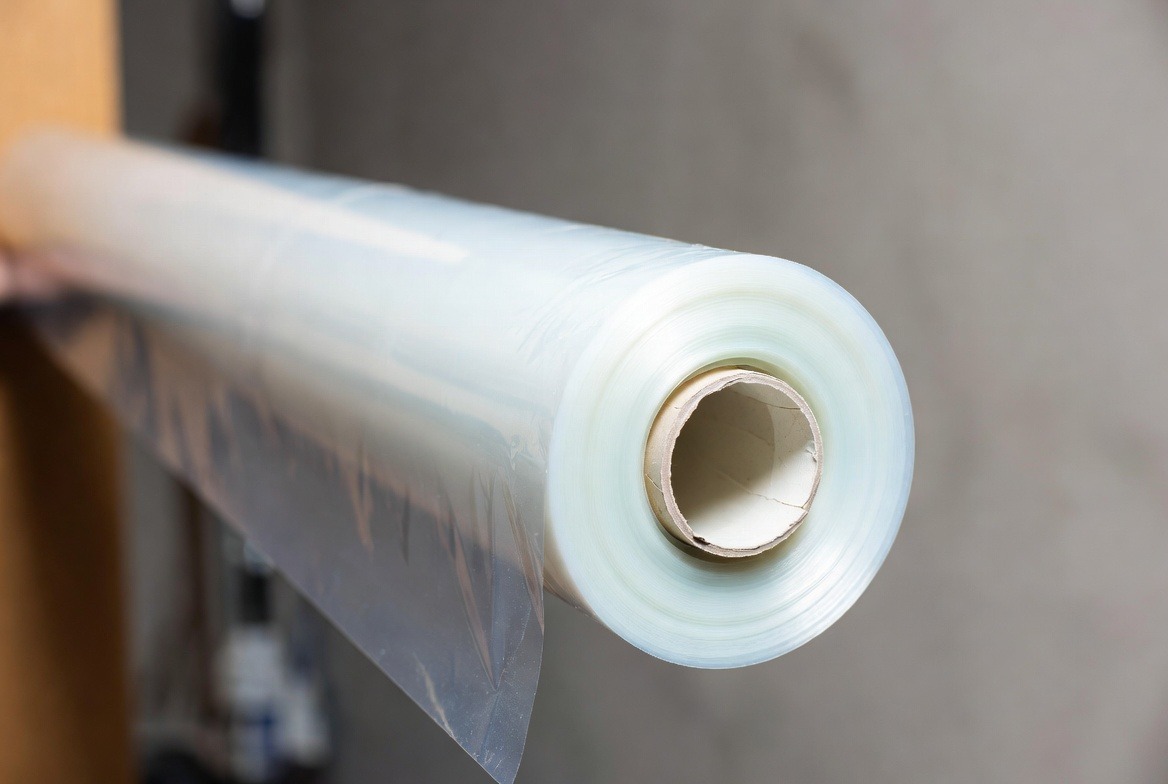
Window films are one of the most searched glass upgrades in Toronto and the GTA because they solve real problems fast. People use window films to add privacy, soften glare, improve style, show branding, and help hold broken glass together longer after impact. But once window films go on doors, sidelights, office fronts, clinic glass, condo lobbies, or storefront windows, the job can turn into more than a design choice. It can involve building code checks, planning review, and sign questions. In Ontario, the starting point is the Ontario Building Code. In Toronto, some projects also need to match the City’s bird-friendly glazing rules through the Toronto Green Standard.
:contentReference[oaicite:0]{index=0}
That sounds like alot for one film install. Still, this is normal in Toronto. A treatment room in North York, a storefront in Leslieville, a condo podium in Humber Bay, and an office in Markham can all use window films for very differant reasons. The problem is not the film itself. The problem is using the same idea on every kind of glass without checking what that glass already has to do. A good-looking job can still be the wrong job if the pane sits in a busy entry, a public corridor, or a street-facing wall with other rules attached to it.
The short answer is simple. Window films can be a very good fit for Toronto buildings, but they do not replace the original safety or planning rules tied to the glass below them. If the glass sits in a door, beside a door, near a main path, or low on an exterior wall, the review gets stricter. If the same front glass also shows a business name or logo, sign review may also come into play. That does not mean the project is a headache from the start. It just means the smart questions need to come before the order form. If you want a strong general primer before choosing a product, this guide to window films benefits, types, and installation is one of the best starting points from the list you shared.
Why window films can become a code question instead of just a design choice
Most buyers do not start with code language. They start with a plain problem. Staff feel too exposed in a boardroom. Patients can see into a treatment room. People keep walking into clear glass. The front window looks too bare from the street. Or the owner wants a layer that helps keep shattered glass together longer if something hits it. Those are fair reasons to buy window films. The code part starts when that same glass already has a public safety job before any film goes on it.
This happens a lot on doors, glass beside doors, large interior partitions, and other busy spots where people move quickly. In simple words, the glass is not only there to look nice. It also has to behave in a way that fits the space. That is why a frosted strip on a fixed panel deep inside an office is not the same thing as a frosted strip on the entry door of a clinic. It may look almost the same in the drawing set. In real life, the risk is not the same.
That is also where people mix up film types. Decorative window films are mostly about appearance. Privacy window films change what people can see through the glass. Solar window films help cut glare and solar heat. Security window films are used when buyers want extra glass retention after breakage. Some products overlap a bit. Some jobs want two or three benefits at once. But a thicker or stronger film does not magicly turn every pane into a code-ready safety assembly. The glass type still matters. The location still matters. The way people use the space still matters.
This comes up all the time in Toronto fit-outs. A landlord may approve a clean frosted look for an office suite near King Street. Then the site walk shows that two of the panes are actually sidelights beside high-use doors, not just fixed panels. The design idea can stay, but the review changes. That is where a smart installer slows down for a minute and checks what the pane is doing all day. It sounds basic, but that small pause saves money later.
One Toronto case shows this pretty well. A small wellness clinic near Yonge and Sheppard wanted window films across a row of treatment rooms. The owner wanted a simple frosted layout on every piece of glass so patients would feel calmer. On paper, it looked clean. On site, two panes were on active corridor doors, two were sidelights beside those doors, and the rest were fixed interior panels. The best answer was not to scrap the idea. The best answer was to split the scope. The fixed panels kept the fuller frosted look. The door areas were adjusted so sightlines, handle visibility, and movement through the corridor worked better. Same general style. Better use of the glass. Less chance of a dumb mistake.
That is why good planning for window films starts with a question that sounds almost too simple: what does this piece of glass need to do before we even talk about colour or pattern? If the answer is “it is just a fixed panel in a private room,” the film choice may be easy. If the answer is “it is an entry door in a busy medical office,” the choice needs more care. Owners who understand that early usually get better results, even if the final film looks calm and simple.
Where Toronto and GTA projects run into the biggest window film problems
The biggest problems with window films usually show up in four places: entry doors, sidelights, large interior glass walls, and exterior glazing close to grade. These are the spots where people move fast, where visibility matters, and where design choices can overlap with city rules. In Toronto, exterior glazing on some projects can also trigger bird-friendly review through the Toronto Green Standard, which applies to applications submitted on or after May 1, 2022 and includes required Tier 1 performance measures reviewed through planning. :contentReference[oaicite:1]{index=1}
That local rule matters more than many buyers think. On newer mixed-use projects, condo podiums, and some street-level commercial buildings, lower exterior glazing may need to help birds read the glass better. Some patterned window films can support that goal. Some can not. If the pattern is too open, too pale, or placed in the wrong way, the film may still look nice from inside while doing very little from outside. This is why the Toronto bird-friendly guidance matters. The City says those documents support the Toronto Green Standard bird collision deterrence measures. :contentReference[oaicite:2]{index=2}
A lot of Toronto jobs run into this near parks, ravines, tree cover, and podium edges with strong reflections. Think about glass near the waterfront, near the Don Valley edges, or around newer towers where big glazed lobbies face landscaped areas. A nice decorative pattern may not be enough there if the project also needs bird-friendly treatment. The film may need a differant spacing, a differant contrast, or a differant placement on the glass face. That is not a sales issue. It is a fit issue.
Another common issue is signage. Many storefront window films are doing two jobs at once. They add privacy or style, but they also carry logos, hours, service text, or seasonal graphics. Once that happens, the city may stop looking at that front window as only décor and start looking at it as signage. This catches small businesses off guard all the time. A café on Danforth may want lower privacy film and a bold logo band. A salon in Vaughan may want etched-look branding across most of the front glass. A clinic in Scarborough may want frosted coverage and opening hours near the door. All of those can be reasonable, but they should be reviewed in the right order so the install does not get hung up later.
Seasonality makes things even more local. Toronto winters bring low sun angles that can make east- and west-facing glass harsh in the morning or late afternoon. In summer, street-level commercial glass can feel too exposed, too bright, and too hot near the perimeter. In autumn, some west-facing units in Etobicoke and Mississauga get a few hours of glare that makes the whole place feel off. That is why so many buyers want window films that do more than one thing. They want privacy without killing light. They want style without making the room feel shut in. They want branding without making the storefront feel heavy.
One downtown example shows how small changes can fix a lot. A café near Queen Street East wanted lower window films for guest privacy and a logo centered on the front glass. The first layout looked balanced on screen, but on site it felt too busy and made the entry harder to read. The install plan changed. The logo was moved to a cleaner position, the lower film was reduced on the door, and the fixed panes kept more consistent coverage. The space still felt branded, but the entrance read better from the sidewalk and more daylight stayed in the room. Small move. Better result. Less regret.
These are not fancy problems. They are normal Toronto problems. That is why local experience matters. Window films for a quiet internal office room are usualy simple. Window films on a busy commercial frontage, a condo lobby, or a clinic corridor are somtimes not simple. They can still be a very good solution. They just need the film choice to match how the glass is used in real life.
How to choose window films in a way that keeps the project clean and easy
The easiest way to choose window films well is to start with function before style. Ask what each pane does all day. Is it a door. Is it beside a door. Is it fixed glass in a private office. Is it street-facing glass that people pass all day. Is it part of a condo entrance where residents, guests, and delivery people move through fast. Once you answer that, the film choice gets much easier.
A short checklist helps keep the project sane:
- Ask where each pane is located and how people move around it.
- Ask what the window films need to do: privacy, style, glare control, branding, or added glass hold.
- Ask whether the job is part of a tenant fit-out, a permit scope, or a landlord review.
- Ask whether lower exterior glass may need bird-friendly treatment.
- Ask whether storefront graphics may also count as signage.
- Ask how the finished film will be cleaned, maintained, and documented.
This list sounds basic, but it fixes a lot of common mistakes. One installer may price window films by square foot and stop there. Another may ask better questions and spot a risk before it becomes a change order. The second quote can feel slower at first, but it often saves money because the job stays cleaner from the start. That is the kind of boring win property managers actualy like.
It also helps to describe the problem in plain words. Maybe your staff feel watched. Maybe glare hits the front desk at 3 p.m. Maybe clients can see too much through the meeting room. Maybe people miss the door because the glass is too clear. Those simple complaints help the installer match the right window films to the real issue. That works better than pointing at a tiny sample square and hoping the full wall will feel the same.
For Toronto owners, the big lesson is simple. Window films are not one-size-fits-all. The same frosted finish that works in a private boardroom may be weak on a main entry. The same security layer that makes sense on one pane may need more review on another. The same front-window branding that looks sharp in a mockup may still raise a sign question on site. Good planning is what keeps the design clean and keeps the install from turning messy.
If you are choosing window films for a site in Toronto, North York, Scarborough, Etobicoke, Vaughan, Richmond Hill, Markham, or Mississauga, use this order: review the glass use, review the approval path, then choose the finish. That order keeps the project easier to manage. It also gives you a better shot at getting the privacy, style, and safety result you wanted the first time. For most people buying window films, that is the whole point.
“`
::contentReference[oaicite:3]{index=3}
Leave a Reply